A portrait in motion
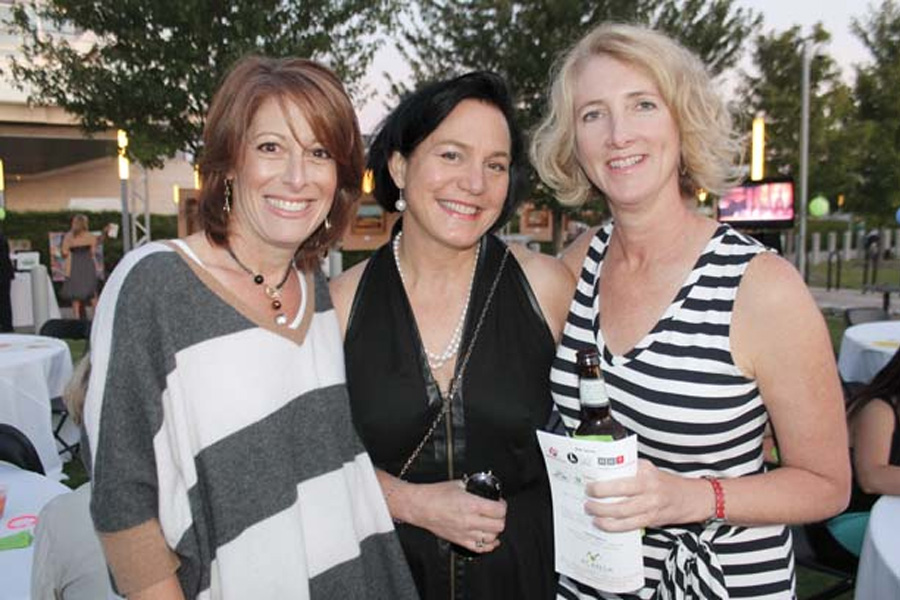
Murry Ellen Elizabeth Newbern moves through life with the quiet insistence of a steady current—never flashy, but powerful enough to shape the banks it passes. Born on April 25, 1962, in Ruislip, England, during her father’s U.S. Air Force service, Murry’s trajectory threads advocacy, family, and local entrepreneurship into a coherent life of civic purpose. She is known regionally as an organizer, speaker, co-founder of a political action committee, and a hands-on proprietor of a neighborhood gathering place in Little Rock, Arkansas. Her story is small-town rooted and transatlantic in origin; it is both practical and principled.
Basic information
| Field | Detail |
|---|---|
| Full name | Murry Ellen Elizabeth Newbern |
| Date of birth | April 25, 1962 |
| Place of birth | Ruislip, England |
| Primary residence | Little Rock, Arkansas |
| Career highlights | Policy Director (Planned Parenthood), Co-founder Progressive Arkansas Women PAC (2016), Co-owner The Rail Yard (2018–2023) |
| Family | Second of four siblings; two sons (David Newbern Aspisi, born May 20, 1990; George Aspisi); partner Steve Shults; ex-husband Claudio Aspisi |
| Public presence | Local political activism, social posts under @MEEN425, public speaking (notably reproductive justice events) |
| Notable dates | 2010 rally speech; 2016 PAWPAC founding; 2018 Rail Yard opening; 2023 Rail Yard sale |
Early years and family foundation
Born amid military mobilities, Murry’s childhood included a swift move from England to the United States—first to Florida, then to Arkansas—as her father transitioned from service to medical practice. The Newbern household was shaped by a professional father, David Harton Newbern (born March 14, 1930), and by the loss of her mother, Elizabeth Edna “Bettyed” Young Newbern, in 1980. That loss, when Murry was 18, deepened the family’s internal ties; her father raised four children and instilled a love of nature and community rituals—canoe trips, hikes, and weekends on the Buffalo River. Those formative coordinates—service, resilience, and a devotion to place—are visible throughout her adult life.
Career arc: advocacy to entrepreneurship
Murry’s public work began in earnest in the arena of reproductive and women’s rights. Serving as a policy director for Planned Parenthood, she moved from behind-the-scenes strategy into public testimony and grassroots organizing. A documented moment came in 2010, when she delivered closing remarks at a reproductive justice rally in Arkansas, urging civic participation and legislative pressure. Her language in those years was direct and communal: policy as compassion, activism as routine labor.
In June 2016, she co-founded Progressive Arkansas Women PAC (PAWPAC) with colleagues committed to recruiting and supporting progressive women candidates across Arkansas. The PAC positioned itself as a remedy to structural fundraising disparities and as a revival of historical women’s civic networks dating back to mid-20th century organizing in the state. That same impulse—building institutions rather than seeking fleeting attention—characterizes much of Murry’s public profile.
By 2018 Murry expanded into small business. She and family members opened The Rail Yard, a food truck and beer garden concept at 1212 E. Sixth St. in Little Rock’s East Village. Inspired by urban food-yard models, The Rail Yard became a neighborhood anchor: a place where politics, family, and ordinary social life intersected. In June 2023, Murry and her partners transferred ownership, citing generational transition and a desire to see the venue scaled to a new stage.
Timeline of notable life events
| Year | Event |
|---|---|
| 1962 | Born April 25 in Ruislip, England |
| 1980 | Death of mother, Elizabeth Edna “Bettyed” Young Newbern |
| 1990 | Son David Newbern Aspisi born May 20 in Chicago, IL |
| 2010 | Speaks at Arkansas Rally for Reproductive Justice |
| 2016 | Co-founds Progressive Arkansas Women PAC |
| 2018 | Opens The Rail Yard in Little Rock’s East Village |
| 2022 | Death of father, David Harton Newbern (died April 24, 2022) |
| 2023 | Sells The Rail Yard to new ownership (June 2023) |
Family map: kin, roles, and ties
| Relative | Relationship | Notes |
|---|---|---|
| David Harton Newbern | Father (1930–2022) | U.S. Air Force captain, radiologist, moved family between England and the U.S. |
| Elizabeth Edna “Bettyed” Young Newbern | Mother (deceased 1980) | Educated, multilingual background; death shaped family course |
| Gordon Newbern | Brother | Surgeon; collaborated on The Rail Yard venture |
| George Newbern | Brother | Actor; Murry is aunt to George’s children (Emma, Mae, Ben) |
| John Newbern | Brother | Coffee house owner |
| Claudio Aspisi | Ex-husband | Father of her two sons |
| Steve Shults | Partner | Current partner as noted in family records |
| David Newbern Aspisi | Son (born 1990) | Born May 20, 1990 in Chicago |
| George Aspisi | Son | Birth date unconfirmed in available material |
Public voice and civic rhythms
Murry’s public voice is measured but persistent. Social posts and public appearances trace a consistent pattern: opposition to restrictive reproductive legislation, visible participation in women’s marches (2017 and beyond), and backing for progressive candidates and civic education. Her rhetoric is seldom theatrical; instead it reads like a steady drumbeat—policy briefs, endorsements, rallies, and a focus on lifting women into leadership roles.
Her activism reads like an unfinished ledger of work: not dramatic headlines, but incremental institutional change. That pattern—patient, structural, community-directed—feeds into her business endeavors. Running The Rail Yard was not simply a commercial experiment; it was a deliberate act of place-making, a way to anchor community conversation in a space that could host everything from casual evenings to civic gatherings.
Character and public reputation
Murry presents as a person who prefers impact over visibility. She keeps much of her personal life private while allowing her public record to emphasize service: advocacy at the state level, mentoring and funding for women candidates, and creating spaces where neighbors meet. Her life registers as a sequence of pragmatic commitments—family stability after early loss, policy work aimed at durable rights, and a local business designed to knit neighborhood life together.
Numbers and dates mark her path—but so do small things: river weekends with her father, the learning curve of launching a food-and-drink venue, late nights on PAC strategy. In the quiet arithmetic of these details—1962, 1980, 1990, 2016, 2018, 2023—a portrait emerges: someone who navigates loss by building, who meets political friction with organized response, and who sees community as both project and refuge.