Early Years in the Shadow of Presidency
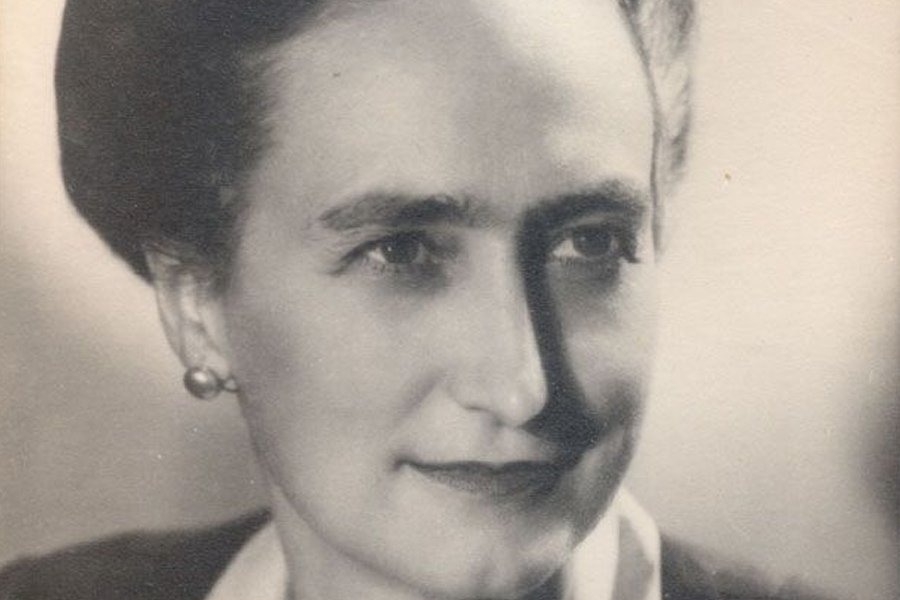
I frequently wonder what it’s like to be the child of a past president, especially when that legacy haunts you. Elizabeth Harrison Walker was born in Indianapolis’ Benjamin Harrison House on February 21, 1897. Her father, Benjamin Harrison, was the 23rd US president from 1889 until 1893. He was a brilliant lawyer, Civil War warrior, and politician noted for economic reforms and early civil rights. Elizabeth arrived after his presidency, when he was quieter.
A tragedy struck early. Elizabeth, four, was left without her father after Benjamin Harrison died of illness on March 13, 1901. Elizabeth was raised in Indianapolis by her mother, Mary Scott Lord Dimmick Harrison, who was born in 1858 and outlived her husband by nearly 47 years until her death in 1948. Tudor Hall, now Park Tudor School, was her school until 1913. At 16, she and her mother moved to New York City to escape the Midwest. This step, like removing a young tree to plant it in richer soil, helped Elizabeth thrive in a busy city.
She persevered in school. At 22, she graduated from New York University School of Law in 1919. That year, she got into Indiana and New York bars. In an era when women made up less than 3% of US lawyers, this achievement stood out. I see her entering courtrooms with a sharp mind that sliced through social barriers.
Familial Bonds and Complex Relations
Family ties for Elizabeth were a tapestry woven with threads of prestige, controversy, and resilience. As the only child from Benjamin Harrison’s second marriage, she bridged two familial worlds. Her father’s first marriage to Caroline Lavinia Scott, who passed away in 1892, produced two children: Russell Benjamin Harrison, born in 1854 and died in 1936, and Mary Harrison McKee, born in 1858 and died in 1930. These half-siblings carried their own weights of legacy. Russell was a businessman and diplomat who served in the Spanish-American War, while Mary acted as First Lady after her mother’s death during Benjamin’s presidency and later married James Robert McKee.
The remarriage in 1896 stirred tensions. Mary Dimmick Harrison, Benjamin’s second wife and Caroline’s niece, faced resistance from the older children. Reports of strained relations persisted, creating rifts that Elizabeth navigated throughout her life. Yet, she maintained connections, serving as an aunt to figures like Benjamin Harrison McKee and William Henry Harrison III.
On her paternal side, grandparents included John Scott Harrison, a U.S. Congressman born in 1804 and died in 1878, and Elizabeth Ramsey Irwin, born in 1810 and died in 1850. Great-grandparents featured prominently: William Henry Harrison, the 9th U.S. President born in 1773 and died in 1841 after a brief term, and his wife Anna Tuthill Symmes Harrison, born in 1775 and died in 1864. Other great-grandparents like Archibald Irwin, John Witherspoon Scott, and Mary Potts Neal added layers to this presidential lineage.
Uncles and extended kin rounded out the family circle. John Irwin Harrison stood as an uncle, while connections extended to grandchildren like Elizabeth Ramsey Irwin, Russell Farnham Lord, and Elizabeth Mayhew Scott. I see this family tree as a vast oak, its branches spreading across American history, with Elizabeth as a vital limb connecting past glories to future generations.
To visualize these connections, here’s a table summarizing key family members:
| Relationship | Name | Birth-Death Years | Notable Details |
|---|---|---|---|
| Father | Benjamin Harrison | 1833-1901 | 23rd U.S. President, lawyer, politician |
| Mother | Mary Scott Lord Dimmick Harrison | 1858-1948 | Socialite, second wife of Benjamin Harrison |
| Half-Brother | Russell Benjamin Harrison | 1854-1936 | Businessman, diplomat, Spanish-American War veteran |
| Half-Sister | Mary Harrison McKee | 1858-1930 | Acted as First Lady, married James Robert McKee |
| Paternal Grandfather | John Scott Harrison | 1804-1878 | U.S. Congressman |
| Paternal Grandmother | Elizabeth Ramsey Irwin | 1810-1850 | – |
| Great-Grandfather (Paternal) | William Henry Harrison | 1773-1841 | 9th U.S. President |
| Great-Grandmother (Paternal) | Anna Tuthill Symmes Harrison | 1775-1864 | Wife of 9th President |
| Uncle | John Irwin Harrison | – | Extended family tie |
| Great-Grandparent | Archibald Irwin | – | Ancestral link |
| Great-Grandparent | John Witherspoon Scott | – | Ancestral link |
| Great-Grandparent | Mary Potts Neal | – | Ancestral link |
This table captures just a fraction of the intricate web, highlighting how Elizabeth’s life intertwined with historical figures.
Marriage and Building Her Own Family
Love came to Elizabeth in 1921. James Blaine Walker Jr., born 1889 and died 1978, married her on April 6. James, a Cornell Law School graduate and grandnephew of James G. Blaine, her father’s Secretary of State, switched from manufacturing to banking. Political heritage and practical steadiness characterized their relationship. The couple shared time between Indianapolis and New York, establishing a family that expanded the Harrison heritage.
Born December 27, 1921, Benjamin Harrison Walker was their first child and survived until 1995. He became a doctor and married Elizabeth Sillcocks, having two kids, including Dr. Benjamin Harrison Walker Jr., who died in 2009. Born 1929, daughter Jane Harrison Walker lived until 2020. Jane married Newell Garfield, grandson of Interior Secretary James Rudolph Garfield and great-grandson of President James A. Garfield, connecting the Harrison and Garfield presidential lines. Eliza, Jane’s daughter, and Sirjana, her granddaughter, were born.
Being a mother and married complemented Elizabeth’s independence. She became a matriarch after visiting her mother’s bedside in 1948. Like a peaceful river alongside a busy freeway, her family life balanced her career.
Professional Trailblazing and Contributions
Elizabeth’s career defied expectations. Admitted to the bar in 1919, she volunteered with the Emergency Services Corps in 1916 and 1917, preparing for wartime efforts. By the 1930s and 1940s, she founded, edited, and published “Cues on the News,” a monthly newsletter educating women on investing. Distributed nationwide by banks, it empowered female investors in a male-dominated field. She appeared on radio and television, discussing economic issues tailored for women.
Additionally, she served as the sole female secretary on the Committee for Economic Development during the interwar period and World War II. Involved in war relief organizations and a board member at Town Hall, Inc., her work focused on advocacy rather than personal gain. Financial details remain modest; her inheritance from her father’s estate, combined with her husband’s banking career, supported a life of service. I view her newsletter as a beacon, guiding women through the foggy seas of finance.
Her achievements numbered many: graduating law school at 22, breaking gender barriers, and influencing economic literacy. By the 1940s, she had established herself as a speaker and organizer, her logical mind inherited from her father shining through.
Timeline of Key Milestones
To grasp the rhythm of her life, consider this extended timeline:
| Year | Event |
|---|---|
| 1897 | Born February 21 in Indianapolis |
| 1901 | Father Benjamin Harrison dies March 13 |
| 1913 | Moves to New York City with mother at age 16 |
| 1916-1917 | Volunteers with Emergency Services Corps |
| 1919 | Graduates NYU Law; admitted to Indiana and New York bars |
| 1921 | Marries James Blaine Walker Jr. on April 6; son Benjamin born December 27 |
| 1926 | Family seeks and builds a home, noted in historical records |
| 1929 | Daughter Jane born |
| 1930s-1940s | Founds “Cues on the News”; serves on Committee for Economic Development; war relief work |
| 1948 | Mother Mary Harrison dies January 5 |
| 1955 | Dies December 25 in New York City at age 58; buried in Locust Valley, New York |
This chronology reveals a life of steady progression, marked by 58 years of influence.
FAQ
Who were Elizabeth Harrison Walker’s parents?
Elizabeth’s parents were Benjamin Harrison, the 23rd President born in 1833 and died in 1901, and Mary Scott Lord Dimmick Harrison, born in 1858 and died in 1948. Their marriage in 1896, following Benjamin’s first wife’s death, added complexity to family dynamics.
What was Elizabeth’s educational background?
She attended Tudor Hall in Indianapolis until 1913, then pursued higher education in New York. Graduating from New York University School of Law in 1919, she became one of the early female lawyers admitted to bars in Indiana and New York that year.
How did Elizabeth contribute to women’s empowerment?
Through her newsletter “Cues on the News” in the 1930s and 1940s, she educated women on investing. As the only woman on the Committee for Economic Development, she advocated for economic issues, appearing on radio and TV to discuss topics relevant to female audiences.
Who were her children and their notable connections?
Her son, Benjamin Harrison Walker (1921-1995), was a physician. Her daughter, Jane Harrison Walker Garfield (1929-2020), married Newell Garfield, linking to President James A. Garfield’s lineage. They had descendants including Eliza and Sirjana.
What family tensions existed?
Tensions arose from her father’s remarriage, straining relations with half-siblings Russell Benjamin Harrison and Mary Harrison McKee. These “unfortunate misunderstandings” lingered, though Elizabeth maintained some extended family ties.
When and how did Elizabeth pass away?
She died on December 25, 1955, at age 58 in New York City, after a life blending legacy and innovation. Buried in Locust Valley, New York, her passing marked the end of an era for the Harrison descendants.