Early Life and Brooklyn Roots
I think of Patricia Di Mango as a product of Brooklyn in its most vivid form. She was born on May 19, 1953, and raised in the close knit neighborhood of Dyker Heights, where identity is shaped by family, food, and tradition. Her upbringing was not just about geography but about values that seeped into her character like slow simmering sauce.
Growing up near P.S. 204, I imagine a young Patricia surrounded by strong voices and even stronger expectations. Her home reflected the rhythm of an Italian American household. Sundays were sacred. Meals were not rushed. Conversations carried lessons. Her Catholic upbringing and family centered life created a moral framework that would later guide her career in law and justice.
A Family That Shaped Her Path
It is impossible to tell Patricia’s narrative without comprehending her parents. Anthony DiMango, her father, was more than just a dentist. He was a man of self-control, intelligence, and kindness. He was born in Brooklyn in 1924, fought in the military during World War II, and went on to have a lengthy career in oral surgery. He held senior positions at Lutheran Medical Center over his more than 50 years of practice. I find it noteworthy that he frequently offered free care while treating them with dignity. Patricia’s approach to justice reflects such gentle kindness.
Mafalda DiMango, her mother, had a similar impact but in a different field. She was born in Salerno, Italy, immigrated to the US as a young girl, and she went on to become a powerful figure in community action and education. She served on school boards, fought for improved curricula and child welfare initiatives, and advocated for kids for decades. She was the foundation of the family, in my opinion, and she had a significant impact outside of her household. An enduring testament to her influence was the naming of a Brooklyn street in her honor in 2019.
Patricia also talked of her upbringing alongside her sister, Joanne DiMango Orr, who went on to become a teacher. The sisters were raised in a setting where service and education were expected rather than optional.
Family Overview
| Name | Role | Notable Contributions |
|---|---|---|
| Anthony DiMango | Father | Oral surgeon, WWII service, medical leader |
| Mafalda DiMango | Mother | Education advocate, civic leader |
| Joanne DiMango Orr | Sister | Educator and union involvement |
Education and Early Career
When I look at Patricia’s academic journey, I see discipline and ambition woven together. She earned her Bachelor of Science from Brooklyn College, graduating cum laude. She then pursued a Master’s degree in developmental psychology from Columbia University. This detail matters because it shaped how she later understood people in the courtroom.
Before entering law, she worked as a special education teacher in New York City. That experience fascinates me. Teaching children with emotional and cognitive challenges requires patience and insight. It is no surprise that she later carried those skills into her legal career.
Eventually, she attended St. John’s University School of Law, where she graduated at the top of her class. That achievement alone speaks volumes about her determination.
From Prosecutor to Trailblazing Judge
Patricia began her legal career as an Assistant District Attorney in Kings County around 1980. I imagine those early years as intense, filled with courtroom battles and lessons in human behavior. She later served as a law clerk and small claims arbitrator, building a strong foundation.
In 1995, she made history. She was appointed as a judge of the Criminal Court of the City of New York by Mayor Rudolph Giuliani. She became the first Italian American woman to hold that position. That milestone was not just personal. It was symbolic for a community that rarely saw itself represented at that level.
Her career continued to rise. In 1998, she became an Acting Justice of the State Supreme Court. In 2002, she was elected as a Justice of the Supreme Court in Kings County, again making history as the first Italian American woman elected to that role.
A Judicial Philosophy Rooted in Reality
When I reflect on her judicial philosophy, one phrase stands out in my mind. Stern but fair. Patricia approached cases with a blend of logic and instinct. She listened carefully, assessed motivations, and communicated directly.
She was known for her efficiency. In 2013, she was assigned to the Bronx to address a severe backlog of felony cases. Within months, she resolved hundreds of cases. That level of productivity feels almost surgical, like cutting through layers of delay to reach the core of justice.
Her style was not passive. She spoke directly to defendants, sometimes challenging them in ways that felt personal. She believed in accountability but also in understanding. Her background in psychology gave her an edge in reading people, noticing what was said and what was left unsaid.
One of her most notable decisions came in 2013 when she ordered the release of Kalief Browder after years of detention without trial. That moment reflects the balance she sought between law and humanity.
Transition to Television and Public Life
In 2014, Patricia retired from the bench after nearly two decades. But instead of stepping away, she stepped into a new spotlight. She became one of the original judges on the television show Hot Bench, created by Judy Sheindlin.
I see this transition as a natural extension of her courtroom presence. Her direct style translated well to television. Viewers appreciated her clarity, her firmness, and her ability to cut through arguments.
Later, she joined Tribunal Justice, continuing her role as a television judge. She also made a guest appearance on Blue Bloods, blending her real life experience with scripted drama.
Life Beyond the Courtroom
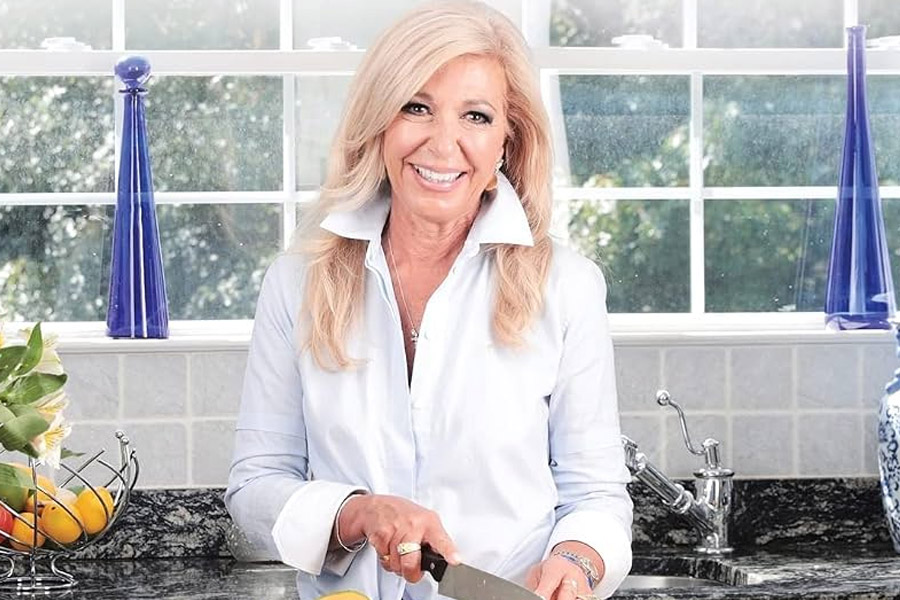
Patricia’s life is about more than just the law. Her cookbook, From the Kitchen to the Courtroom Doing Justice to Pasta, was released in 2021. The book has a really intimate vibe. It links her career with her heritage.
For her, cooking is more than just preparing meals. It has to do with love and memories. She frequently talks about her grandmother and mother and the lessons they taught her over meals. This aspect of her life is especially interesting to me since it shows the judge’s human side.
She has also served as a mediator, specializing in marriage and family law. She still mediates disputes and guides individuals in the direction of solutions outside of the courtroom.
Personal Life and Privacy
One aspect of Patricia’s life remains intentionally private. There is no confirmed public information about a spouse or children. I respect that boundary. In a world where public figures often share everything, her choice to keep certain aspects of her life quiet feels deliberate.
What she does share are stories of family, tradition, and values. Those elements define her more than any personal headline ever could.
Legacy of Family and Achievement
When I step back and look at Patricia Di Mango’s life, I see a tapestry woven from discipline, heritage, and purpose. Her father’s intellect, her mother’s activism, and her own determination created a path that broke barriers.
She was not just a judge. She was a pioneer. She brought Brooklyn grit into courtrooms and television screens alike. Her story feels like a bridge between generations, connecting old world traditions with modern ambition.
FAQ
Who is Patricia Di Mango
Patricia Di Mango is a retired American judge, television personality, mediator, author, and former educator. She is best known for serving on the New York State Supreme Court and appearing on television shows like Hot Bench and Tribunal Justice.
What made her career historically significant
She became the first Italian American woman appointed as a New York City Criminal Court judge and the first elected to the Kings County Supreme Court. These milestones marked important progress in representation within the legal system.
What influence did her parents have on her life
Her father influenced her through discipline, education, and generosity, while her mother shaped her values through community activism and dedication to education. Together, they created a strong foundation for her success.
What is her judicial style
Her judicial style is often described as stern but fair. She focused on efficiency, direct communication, and understanding human behavior, drawing from her background in psychology and education.
What does she do after retiring from the bench
After retiring in 2014, she became a television judge, authored a cookbook, and worked as a mediator in family and matrimonial law cases.
Is Patricia Di Mango married
There is no confirmed public information about her marital status or children. She has chosen to keep her personal life private.