The Early Life of Amparin Serrano
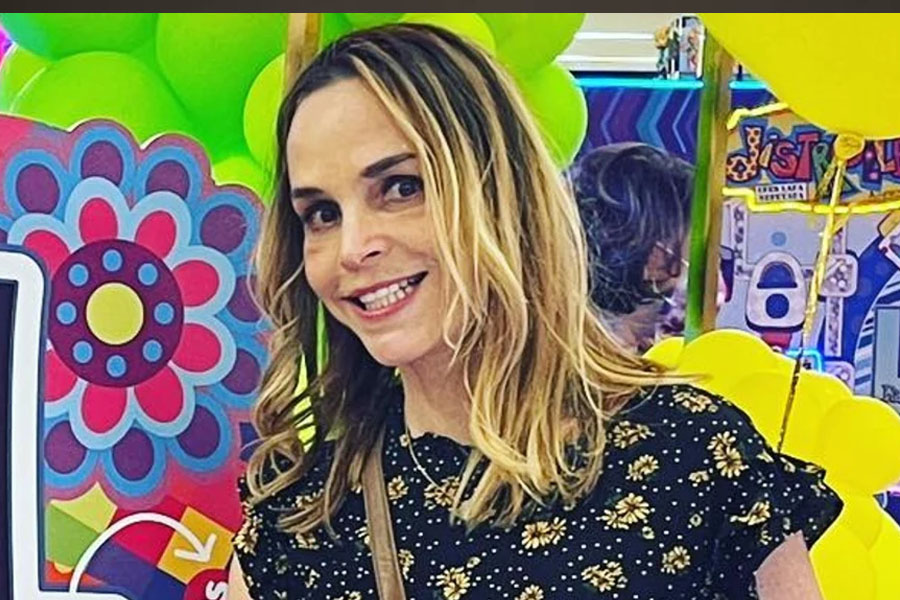
Amparin Serrano, whose full name was Amparo Serrano Espinosa, was born on October 31, 1965, in Mexico City. She grew into one of those rare creative figures who seemed to carry a sketchbook in her mind wherever she went. Graphic designer, illustrator, businesswoman, theater producer, singer, mother, and philanthropist were only some of the roles she occupied during her 56 years.
Her childhood was shaped by an environment where education, culture, business, and philanthropy were closely connected. She attended Colegio Sagrado Corazón and Colegio Godwin before studying graphic design at Universidad Anáhuac México Campus Sur from 1984 to 1988. Yet formal education was only one part of her creative development. Drawing, music, acting, dance, crafts, and visual experimentation remained important throughout her life.
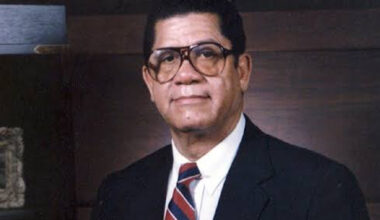
Her family background was unusually distinguished. Her maternal grandfather was Manuel Espinosa Yglesias, a major Mexican banker and businessman who served for many years as director general of Bancomer. He was also associated with philanthropy, cultural projects, education, and the development of the family legacy that later became connected with the Museo Amparo in Puebla.
Her maternal grandmother was Amparo Rugarcía, whose name was given to the museum. Amparin therefore grew up surrounded by a family tradition in which financial success existed alongside cultural responsibility.
Her mother, Amparo Espinosa Rugarcía, developed an important identity of her own as a philanthropist, intellectual, psychoanalyst, activist, and advocate for women’s issues. She founded organizations dedicated to education, documentation, culture, and social causes. Amparin’s father, Julio Serrano Segovia, came from a business family connected with Cementos Anáhuac.
I find this family background important because Amparin’s later career did not simply reproduce the world she inherited. Instead, she transformed privilege, education, and cultural exposure into something deliberately playful. Her creative language was filled with bright colors, exaggerated characters, humor, unusual spelling, and an almost childlike willingness to experiment.
From Flans to Graphic Design
Before becoming synonymous with Distroller, Amparin Serrano briefly belonged to the world of popular music. During the mid 1980s she was part of an early formation of the girl group Flans, alongside Ilse, Ivonne, and Mimi. Her participation came before the group’s major commercial success, and she eventually left, with her studies taking priority.
She later formed the duo Media Luna with Pedro Garza. Songs associated with the project included “La Luna,” “Dime por qué,” and “Sueños.”
Music did not become her permanent profession, but it remained part of the creative vocabulary she carried into adulthood. After university, she spent time in New York with her then husband David West, an American entertainment executive and producer. West founded Westwood Entertainment, a company involved in the management and representation of Latin music artists.
New York gave Amparin another artistic laboratory. She took ceramics classes and began creating painted plates, handmade objects, and gifts. These small experiments eventually became the seeds of a much larger enterprise.
After returning to Mexico, her personal creations gradually became a recognizable design language. In 2004, Distroller was formally established.
Distroller and the Creation of a Mexican Pop Culture Universe
Amparin Serrano’s most notable accomplishment was Distroller. A universe of characters, toys, stationery, apparel, accessories, candy, exhibitions, retail experiences, and entertainment gradually grew out of what started out as handmade items.
Virgencita Plis, a large-eyed, vividly colored version of the Virgin of Guadalupe, stood in the middle. Amparin used amusing lyrics, an intentionally naïve visual style, and a highly identifiable Mexican religious emblem. On a notepad, a conventional image can come out of nowhere, requesting assistance with a test, protection, romance, or a common everyday issue.
Because it incorporated spiritual images into popular commercial culture, the strategy was audacious. While some welcomed the accessibility and comedy, others questioned the appropriateness of commercializing or cartooning sacred symbols. The character’s level of public awareness was evident in the debate itself.
The Ksi-meritos and Neonatos followed. A complex adoption process was used to introduce these baby dolls. Youngsters might be given an infant character, take care of it, and engage with the surrounding made-up world of incubators and clinics.
Distrollers did more than just sell goods. It promoted involvement.
This distinction contributes to the explanation of its cultural impact. A backpack was no longer just a backpack. A doll could turn into a burden. It is possible for a store to turn into a tiny cosmos. A child’s vocabulary and memory may incorporate a character.
Mexican cuisine, popular customs, religious imagery, humor, and allusions to well-known figures were all included into the brand. The universe was enlarged with characters like Friducha, Birria, Mole, Tinga, and Chamoy. The end product was a visual language that was both financially viable and distinctly Mexican.
Family Life and Her Daughters
Amparin married David West, and the couple lived for a period in New York. They had two daughters, Amparo Alexia West, professionally known as Minnie West, and Camila West, also referred to as Ka.
Minnie West was born on April 17, 1993. She followed her mother’s creative path but developed her own career as an actress, producer, and entrepreneur. She became known for appearances in film, television, and theater and became involved in production projects as well.
The relationship between Amparin and Minnie was especially close. Minnie has spoken openly about the devastating emotional consequences of her mother’s death and about the difficulty of processing grief after witnessing the accident that preceded it. Her public discussions have helped reveal another side of Amparin’s legacy, one that cannot be measured through stores, characters, or sales.
Camila West also pursued creative work. She became associated with design, painted objects, ceramics, and a bag brand named Manola Jiménez after her own daughter. In many ways, the creative instinct Amparin encouraged at home continued naturally into the next generation.
Amparin was known for giving her daughters room to explore. Creativity was not treated as a narrow profession. It was a way of seeing the world.
A Home That Became an Extension of Her Imagination
Amparin’s eccentricity was not limited to her professional work. Her San Ángel home became famous for its unusual architecture and playful details. Slides, fire poles, elevators, murals, colorful rooms, and Distroller inspired elements transformed the house into something between a family residence, playground, and personal museum.
That environment reveals something fundamental about her personality. She did not separate art from ordinary life.
For Amparin, imagination could inhabit a hallway, a plate, a toy, a piece of furniture, or an entire room. The same philosophy appeared in Distroller. She treated everyday objects as opportunities for storytelling.
Her creative philosophy also influenced her philanthropic work. Around 2011, she established Fundación Amparo Serrano, which supported art education for children through activities such as music, painting, and dance. Programs reached children in different parts of Mexico and gave hundreds of young people opportunities to experiment with creative expression.
The Cultural Impact of Distroller
Distroller became particularly significant for Mexican children growing up during the 2000s and 2010s. Its products appeared in schools, bedrooms, shopping centers, and family homes. For many people, a Distroller notebook or Ksi-merito was not simply merchandise. It was part of childhood.
The brand’s use of Mexican identity was central to this appeal. Instead of copying an entirely foreign aesthetic, Amparin drew from Guadalupe imagery, Mexican foods, Day of the Dead traditions, humor, slang, and popular culture.
At the same time, the brand attracted criticism. Some observers argued that Ksi-meritos promoted traditional ideas about girls, motherhood, and caregiving. Others interpreted the incubator and adoption narratives through debates surrounding reproductive politics. Amparin rejected the idea that the dolls were intended as political statements and described their purpose in terms of care and responsibility.
Other controversies involved the commercialization of religious imagery and questions surrounding some character designs. These disagreements became part of the Distroller story because they showed how a children’s brand could enter conversations about religion, gender, identity, and consumer culture.
The brand’s influence also extended beyond products. Distroller characters appeared in entertainment, theatrical productions, digital content, exhibitions, and collaborations. Its retail spaces were designed as experiences rather than ordinary stores.
Amparin Serrano’s Final Years and Lasting Family Legacy
Until the last years of her life, Amparin kept up her creative endeavors and oversaw her artistic realm. She passed away at the age of 56 on August 12, 2022, following a domestic mishap at her San Ángel residence.
Her daughters were profoundly saddened by her passing. According to later family reports, Amparin was trying to take pictures of Minnie and her baby granddaughter Manola when she fell from a balcony or patio area. The events became a terrible aspect of the family’s public narrative, especially for Minnie, who has discussed the agony of seeing what transpired.
Amparin’s family carried on maintaining her artistic legacy after her passing. Distroller continued to be connected to her characters and esthetic, while commemorative items and projects with a retro feel brought past designs back into the spotlight.
Additionally, Minnie has persisted in talking about her mother and the grieving process. Amparin’s story has become more intimate as a result of her reflections. A mother whose influence persisted thru her daughters was the driving force behind the businesswoman who built a vibrant commercial universe.
Different branches of the inheritance are represented by Camila and Minnie. While the other has established a profession in acting, producing, and entrepreneurship, the former continues design and workmanship. When taken as a whole, their work suggests that Amparin’s greatest creation might not have been a single figure. It was the authorization she granted those in her immediate vicinity to envision in a new way.
FAQ
Who was Amparin Serrano?
Amparin Serrano was a Mexican graphic designer, illustrator, businesswoman, theater producer, and former singer. She was born in Mexico City on October 31, 1965, and became famous as the creator of Distroller.
What was Distroller?
Distroller was a Mexican design, toy, lifestyle, and entertainment brand founded by Amparin Serrano in 2004. Its best known creations include Virgencita Plis and the Ksi-meritos or Neonatos dolls.
Who were Amparin Serrano’s parents?
Her mother was Amparo Espinosa Rugarcía, a philanthropist, intellectual, psychoanalyst, and activist. Her father was businessman Julio Serrano Segovia, whose family was connected with Cementos Anáhuac.
Who was Manuel Espinosa Yglesias?
Manuel Espinosa Yglesias was Amparin Serrano’s maternal grandfather. He was a prominent Mexican banker and businessman who led Bancomer for many years and became known for philanthropy and cultural initiatives.
Who are Amparin Serrano’s daughters?
Her daughters were Amparo Alexia West, professionally known as Minnie West, and Camila West, also known as Ka. Both pursued creative careers and remained closely connected with their mother’s legacy.
What happened to Amparin Serrano?
Amparin Serrano died on August 12, 2022, at age 56 after a domestic accident at her San Ángel home. She had been hospitalized following the accident.
What is Virgencita Plis?
Virgencita Plis is one of Amparin Serrano’s most recognizable creations. It presents the Virgin of Guadalupe through a colorful, big eyed, humorous Distroller aesthetic and became one of the brand’s signature characters.
Why were Ksi-meritos controversial?
Ksi-meritos and Neonatos were controversial because their adoption and caregiving narratives were interpreted by some critics as reinforcing traditional gender roles or carrying pro life implications. Amparin maintained that the concept was intended to encourage care and responsibility.
Did Amparin Serrano have a philanthropic legacy?
Yes. Around 2011 she founded Fundación Amparo Serrano, which promoted artistic activities for children, including painting, music, and dance. The initiative reflected her belief that creativity should be accessible to young people.
How did Amparin Serrano influence Mexican culture?
She brought Mexican religious imagery, food, humor, folklore, and everyday cultural references into a highly distinctive contemporary design universe. Distroller became part of childhood culture for a generation and demonstrated how local identity could be transformed into internationally recognizable popular design.