Early life and family roots
I first encountered Lillian Haggard through family stories that read like a small epic. Born circa 1921 in Checotah, Oklahoma, she belonged to a tight, restless clan headed by James Francis Haggard and Flossie Mae Harp. They were a working family of the 1920s and 1930s, the kind that learned to patch a roof, mend a fence, and make a home out of what was on hand. I imagine Lillian as a steady presence in that household, older sister to children who would scatter across decades and into the music history books.
Numbers anchor these memories. James Francis Haggard was born in 1899 and died in 1946. Flossie Mae Harp was born in 1902 and died in 1984. Between those two dates a certain family rhythm formed, shaped by scarcity and resilience. Those rhythms followed them to California in the 1930s when the family left Oklahoma and eventually lived in a converted railroad boxcar in Oildale, near Bakersfield. I see the boxcar as a small theater of daily life where routines were reheated on a single stove and stories were currency.
The boxcar years and childhood
The boxcar matters. It is a physical symbol of the Haggard family story and of Lillian’s early years. She lived through the move from farm to boxcar, watched her father convert metal and wood into shelter, and saw her mother plant a garden that fed a dozen hungry mouths. Those years taught practical skills and a fierce loyalty to kin. They also taught how to keep a family story alive.
In 1946, when James Francis Haggard died, the family changed course. Loss accelerated responsibility. Lillian moved into adulthood at a time when adulthood often meant work from dawn to dusk. I picture her not as a spotlight figure, but as a caretaker of memory, someone who could recite a name or a date and tell you why a patch of wall looked the way it did.
Family members – an intimate table
I like tables when family relationships are dense. They keep names, ties, and dates visible at a glance.
| Name | Relationship to Lillian | Known dates or notes |
|---|---|---|
| James Francis Haggard | Father | Born 1899, died 1946 |
| Flossie Mae Harp Haggard | Mother | Born 1902, died 1984 |
| James Lowell Haggard | Brother | Born 1922, died 1996 |
| Flora Juanita Haggard | Sibling | Infant death recorded 1924 |
| Merle Ronald Haggard | Brother | Born 1937, died 2016 – famous country singer |
| Kelli Haggard | Niece | One of Merle’s children |
| Jenessa Haggard | Niece | One of Merle’s children |
| Married name Rea or Rae | Lillian’s married surname in family recollections | Variants exist in records |
This table is a map of kinship. It is not a biography. It is a folding chart of proximity and responsibility.
Career, public presence, and the role of family keeper
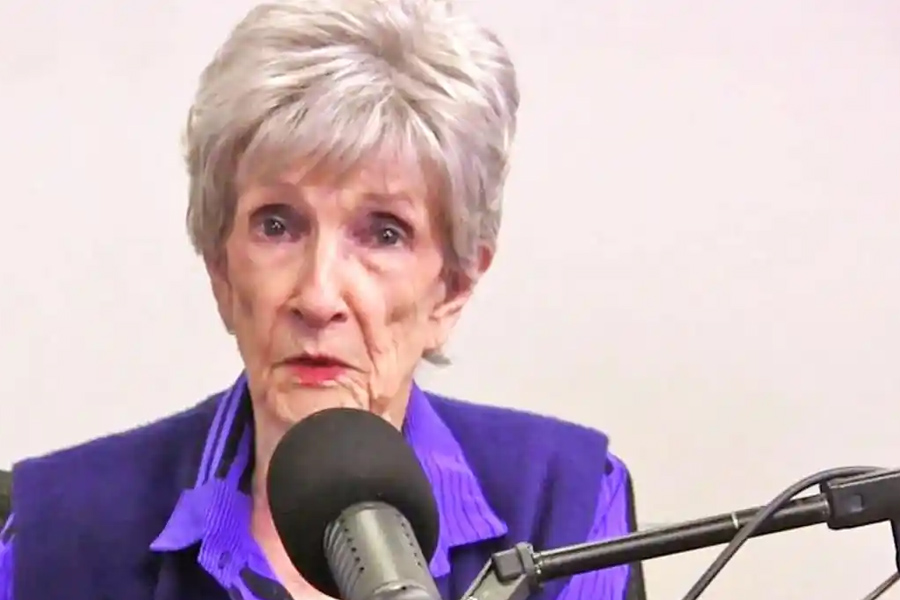
I found no evidence that Lillian had a public career like her brother Merle. Her quieter public presence is crucial to me. She appeared in media and community accounts as a family witness. She and Merle attended a public ceremony to move the family boxcar to a museum in July 2015. She talked about the furnace, garden, and metal boxcar winters.
If Merle turned private pain into public song, Lillian turned memory into witness. Her dates, objects, and tiny gestures become artifacts for museums and fans. That is genuine work, like any compensation. Memory registry work.
Note that public documents inevitably cause conflict. Public indexes and obituaries list many Lillian Haggards. Names echo. I avoid confusing them. Lillian who stood at the boxcar in 2015 is remembered differently by her family than other Lillians from other states and years.
Timeline of key dates and events
| Year | Event |
|---|---|
| circa 1921 | Birth of Lillian Marie Haggard in Checotah, Oklahoma (approximate) |
| 1930s | Family moves from Oklahoma to California after hardship; lives in converted boxcar |
| 1937 | Birth of Merle Haggard, younger brother |
| 1946 | Death of James Francis Haggard, father |
| July 29 2015 | Boxcar relocation to Kern County Museum – Lillian attends and speaks |
| 2016 | Death of Merle Haggard |
Dates punctuate the family story. They are anchors that let me return to particular scenes: a boxcar in 1938, a museum ceremony in 2015.
What I noticed about records and uncertainties
I desire simplicity. People with common names have noisy public records. Many Lillian Haggards occur in public indexes from different states and professions, but the familial line is traceable by names and birth years. Some entries mention a nurse, an old Midwesterner, or various surnames. Unless the records match dates, localities, and kin, I treat them separately.
Also, family stories include gaps. My knowledge about Lillian’s children is limited. I lack bank and property records. Those documents are in county clerks’ and probate files, not memory plaques.
FAQ
Who was Lillian Haggard?
I see her as an older sister in a crowded family. She was born around 1921 in Oklahoma and grew up in the Haggard boxcar in Oildale, California. She did not seek the spotlight. Instead she guarded family memory and attended public events that honored her brother’s roots.
How was she related to Merle Haggard?
Merle was her younger brother. He was born in 1937 and became a prominent country singer. Lillian remained part of the same family branch and was present at family events that marked Merle’s public recognition.
What were her parents names and their dates?
Her father was James Francis Haggard, born 1899, died 1946. Her mother was Flossie Mae Harp Haggard, born 1902, died 1984. These two dates bracket much of the household history that shaped Lillian.
Did Lillian have a married name?
Yes. In family recollections and local reports she appears with a married surname rendered as Rea or Rae. Records show variant spellings in different places.
What public appearances did she make?
The most notable public appearance I know of took place on July 29 2015 when the family boxcar was moved to the Kern County Museum. She was there with Merle and spoke about childhood memories.
Are there conflicting records about her life?
Yes. Several public obituaries and records list different women named Lillian Haggard. Not all of them refer to the same person. I treat that as a cautionary tale about name collisions in public archives.
Where did the family live during the 1930s and 1940s?
They lived in a converted railroad boxcar in Oildale, near Bakersfield, California. The move from Oklahoma occurred in the 1930s after agricultural and domestic hardship.
What is known about Lillian’s career or finances?
Public sources do not provide detailed information on her career or finances. She appears in media primarily as a family spokesperson and keeper of memories rather than a public professional figure.
How many siblings did she have?
At least four siblings are recorded in family trees: James Lowell Haggard, Flora Juanita Haggard, Merle Ronald Haggard, and others listed in genealogical records. Some siblings died in infancy, which was sadly common in that era.
What role did she play in preserving family history?
She acted as a living source for family anecdotes, dates, and objects. She participated in museum ceremonies and shared recollections that helped turn a modest boxcar into a public exhibit.
Is there a central archive for the Haggard family items?
The boxcar exhibit at the Kern County Museum became a focal point for family artifacts. Objects and memories associated with the boxcar were curated and displayed as part of that exhibit.