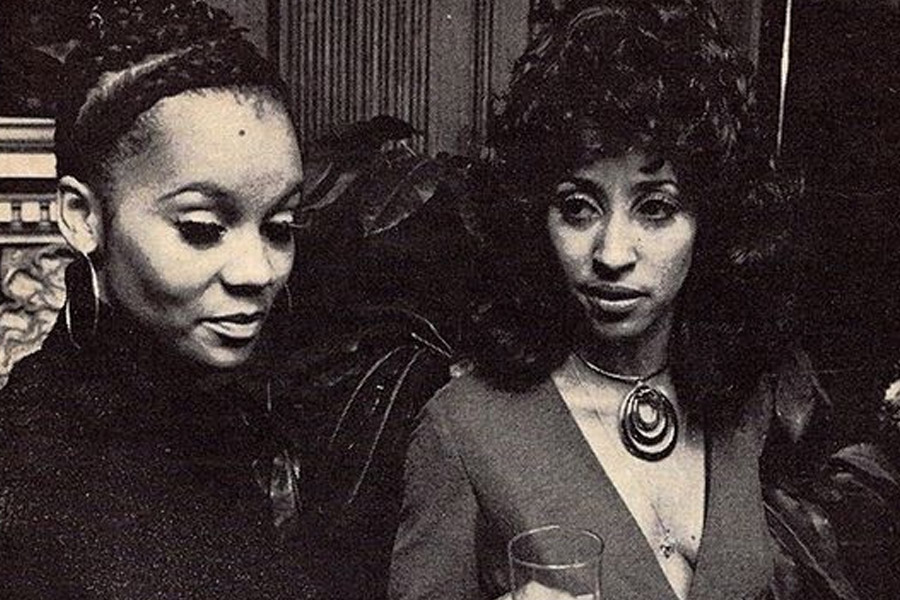
A personal introduction to Loucye Gordy Wakefield
The lesser-known people who have amazing tales to tell have always captivated me. Among them is Loucye Gordy Wakefield. Her brief life, which began on December 24, 1924, had an impact on the establishment of a cultural empire. I write about her as a steady hand in the mechanism that transformed songs into enduring value rather than as a footnote. She worked at Motown and within the Gordy family constellation at a time when organization was just as important as creativity.
Family portrait: parents, siblings, spouse, and notable relations
The Gordy family looked like a small business ecosystem with kinship at its center. Loucye was the daughter of Berry Gordy Sr and Bertha Fuller Gordy. She grew up among at least eight siblings who later became pillars in Detroit music life.
| Name | Relation to Loucye | Role or note |
|---|---|---|
| Berry Gordy Sr | Father | Family patriarch |
| Bertha Fuller Gordy | Mother | Family matriarch |
| Fuller Berry Gordy | Sibling | Eldest sibling, family business figure |
| Esther Gordy Edwards | Sibling | Museum and cultural steward |
| Anna Ruby Gordy (Anna Gordy Gaye) | Sibling | Songwriter, publisher, linked to Marvin Gaye |
| George W. Gordy | Sibling | Songwriter, producer roles |
| Gwen Gordy Fuqua | Sibling | Businesswoman, Anna Records cofounder |
| Berry Gordy Jr | Sibling | Founder of Tamla and Motown Records |
| Robert L. Gordy | Sibling | Jobete head after Loucye |
| Ronald Wakefield | Spouse | Tenor saxophonist, Motown session associations |
I like to think of the family as a hive. Each sibling performed its task. Some sang, some wrote, some built systems. Loucye was the quiet engineer of the hive’s ledger.
The career arc: from sales and manufacturing to Jobete leadership
I see Loucye as less a glossy executive and more a practical organizer – the person who turned promises into invoices. Around 1960 she moved into Motown administrative roles, taking responsibility for manufacturing, sales, billings, and collections. These were the numbers operations that ensured musicians got into stores and royalties found their way to writers and publishers.
By the mid 1960s she was leading Jobete Music, Motown’s publishing arm. Jobete later became a vast catalogue of value, but it needed careful bookkeeping and rights management in its infancy. Loucye was in a position that connected creative output to cold cash, and she is credited with putting in place collection systems and distribution accounting that stabilized cash flow during a fragile growth period.
She also appears in creative credits. In 1961 she is listed on the songwriting credit for a single titled “Don’t Let Him Shop Around.” These small printed credits are proof of a person who moved comfortably between creative and commercial worlds.
Work achievements and financial impact
Numbers are important. Tasks that are typically invisible, such balancing distributor accounts, setting up billing procedures, completing publishing registrations, and keeping royalty ledgers, are tracked when I trace Loucye’s labor. Each of these responsibilities increased Motown’s capacity to reinvest in up-and-coming musicians.
She was tasked with overseeing Jobete, which led to the establishment of a revenue center that would eventually provide millions of dollars in songwriting royalties. Her financial worth and salary were not disclosed to the public. Rather, she left behind an operational publishing business and a collection of institutional procedures that nevertheless generated benefits for the family and the business.
Personal life and tragedy
Loucye married Ron Wakefield, a tenor saxophonist, sometime in the late 1950s. There is little public record of children. What is firmly recorded is the date of her death: July 24, 1965. She was 40 years old. Her passing cut short a life that was pivotal for Motown’s back office. In the years that followed, family-led memorial efforts included a gospel tribute and scholarship events that carried her name.
Memorials, scholarship efforts, and posthumous recognition
In 1968 a tribute compilation bearing a dedication to Loucye appeared as a kind of musical elegy. That collection, and subsequent benefit events called Sterling Ball gatherings, were tied to a Loucye Gordy Wakefield Scholarship Fund. The scholarship functioned as both memory and mechanism, turning grief into investment for younger people in Detroit and the Gordy family community.
An extended timeline of key dates and events
| Date | Event |
|---|---|
| December 24, 1924 | Loucye Pearl Gordy is born in Detroit |
| Late 1950s | Marries Ron Wakefield, tenor saxophonist |
| Circa 1960 | Takes on manufacturing and sales responsibilities at Motown |
| 1961 | Credited as songwriter on a single “Don’t Let Him Shop Around” |
| 1964 to 1965 | Leads Jobete Music operations |
| July 24, 1965 | Dies in Detroit at age 40 |
| 1968 | “In Loving Memory” tribute compilation dedicated to her |
| Late 1960s to early 1970s | Sterling Ball benefit events and scholarship fund activity |
The timeline reads like the spine of a book where chapters were shortened. Still, each date is a hinge that opens to a wider story.
Family dynamics and influence
I find the Gordy family to be a study in distributed leadership. Berry Gordy Jr created the public face of Motown, but the network of siblings ran departments, fostered artists, and managed back office functions. Esther became a cultural steward, Anna negotiated creative collaborations, Gwen built business ventures with Harvey Fuqua, Robert and George handled publishing and production, and Loucye kept the engines of commerce well oiled.
Bloodlines, in this family, were also job descriptions. They used kinship as a governance model. It was messy. It was effective. It produced legends.
FAQ
Who was Loucye Gordy Wakefield?
I will answer simply. Loucye Gordy Wakefield was a Gordy sibling who worked inside Motown as a sales and manufacturing executive and who led Jobete Music, Motown’s publishing arm, until her death on July 24, 1965.
What roles did she play at Motown?
She managed manufacturing, sales, billings, and collections. She oversaw publishing at Jobete and is credited on at least one songwriting credit in 1961. Her contributions stabilized revenue and allowed creative operations to scale.
When was she born and when did she die?
She was born on December 24, 1924, and died on July 24, 1965.
Did she have children?
Public records and family notices that I have seen do not provide verified evidence of children. The public record emphasizes her professional role rather than personal descendants.
What happened after her death?
After she died, the family and Motown organized memorial efforts including a tribute compilation in 1968 and scholarship-related events called Sterling Ball gatherings. Her responsibilities at Jobete were assumed by her brother Robert Gordy.
How is she remembered within the Gordy family?
She is remembered as a practical administrator whose work on collections and publishing made the Gordy business model more sustainable. Within the family she occupied the role of the person who turned creative promise into financial continuity.
Are there recordings or publications dedicated to her memory?
Yes. A 1968 tribute compilation and later benefit LPs and events were organized in her name to support a scholarship fund.