Early Life and Roots in England
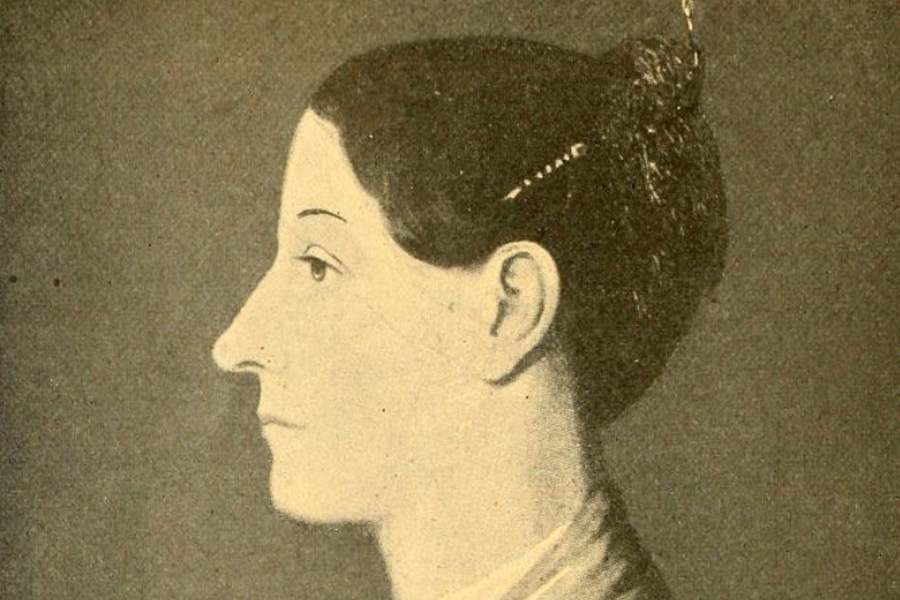
I often think of Mary Fielding Smith as a beacon of resilience, much like a lone tree standing firm against relentless winds. Born on July 21, 1801, in Honeydon, Bedfordshire, England, she entered the world as the sixth of ten children in a devout Methodist farming family. Her parents, John Fielding and Rachel Ibbotson Fielding, instilled in her the values of hard work and unwavering faith from an early age. Growing up in rural England, Mary learned the rhythms of farm life, tending to chores that built her character. She pursued education beyond the basics, becoming a teacher, tutor, and governess. These roles not only sustained her but also sharpened her independence. At 33, in 1834, she emigrated to Upper Canada, now Ontario, to reunite with siblings Joseph and Mercy Fielding. This move marked the beginning of her transformation. Two years later, on May 21, 1836, she encountered LDS missionaries, including Parley P. Pratt, and converted to The Church of Jesus Christ of Latter-day Saints. Her baptism severed old ties but opened a path of profound devotion.
Conversion and Migration to America
The pull of faith drew Mary deeper into uncharted territories. In 1837, she relocated to Kirtland, Ohio, the heart of the burgeoning church. There, on December 24, she married Hyrum Smith, brother of church founder Joseph Smith. At 36, Mary had turned down suitors before, insisting on shared religious convictions. Yet, stepping into marriage meant becoming a stepmother to Hyrum’s five children from his late wife, Jerusha Barden Smith. Lovina, aged 9; John, 5; Jerusha, 1; Sarah, an infant; and the newborn who soon passed. I imagine the weight of that responsibility, like suddenly shouldering a heavy yoke. Despite initial hesitations expressed in letters, Mary embraced the role after seeking divine guidance. The family grew with the birth of Joseph F. Smith on November 13, 1838, amid Missouri persecutions. Hyrum’s imprisonment in Liberty Jail for six months tested her. She visited him under harsh conditions, fleeing violence while protecting the children. By 1839, they settled in Nauvoo, Illinois. Martha Ann Smith arrived on May 14, 1841, completing their biological children at two.
Family Ties and Personal Relationships
Mary’s family network stretched across countries like roots entwining. Through correspondence and their common Methodist ancestry, her parents, John and Rachel, continued to have an impact in England. Joseph Fielding, an older brother and missionary who oversaw the British Mission, stood out among her nine brothers. Her younger sister, Mercy Rachel Fielding, married Robert B. Thompson and supported church initiatives such as the temple penny fund. A Methodist clergyman named James Fielding, Ann Fielding Matthews, another Mary Fielding, John Jr., Rachel, and lesser-known siblings who stayed behind were among the other siblings. Her 1837–1844 husband, Hyrum, added intricacy. Mary, his second wife after Jerusha, handled his previous multiple marriages with calm determination. Following Hyrum’s martyrdom on June 27, 1844, along with Joseph, she was temporarily married to Heber C. Kimball between 1844 and 1846; however, they did not have children together and lived apart. In tumultuous times, this arrangement provided protection.
Her legacy was centered on her children and stepchildren. Born in 1838, Joseph F. Smith married several wives and had 48 children before becoming the sixth president of the LDS Church. Born in 1841, Martha Ann married William Jasper Harris and had eleven children while staying in close contact with her brother. Lovina Smith Walker, born in 1828, married Lorin Walker; John Smith, born in 1832, became a church patriarch; Jerusha Smith Pierce, born in 1836, married William Pierce; Sarah Smith Griffin, born in 1837, married Charles Griffin; and the newborn Hyrum, who passed away at an early age, were among the stepchildren. There were many grandchildren, and the tenth church president was Joseph Fielding Smith, son of Joseph F. Although Mary relied more on her Fielding family after 1846, extended relatives such as mother-in-law Lucy Mack Smith and sister-in-law Emma Smith offered assistance.
To visualize the family structure, here’s a table outlining key members:
| Relationship | Name | Birth/Death Dates | Notable Details |
|---|---|---|---|
| Parents | John Fielding | Unknown | Methodist preacher and farmer |
| Rachel Ibbotson Fielding | Unknown | Raised ten children with emphasis on faith | |
| Siblings | Joseph Fielding | Unknown | Missionary to England, British Mission president |
| Mercy Rachel Fielding | Unknown | Married Robert B. Thompson, temple fund contributor | |
| James Fielding | Unknown | Methodist minister | |
| Ann Fielding Matthews | Unknown | Sister who remained connected | |
| Spouse | Hyrum Smith | 1800-1844 | Martyred; brother of Joseph Smith |
| Heber C. Kimball (sealed) | 1801-1868 | Protective sealing, no children | |
| Children | Joseph F. Smith | 1838-1918 | 6th LDS President, 48 children |
| Martha Ann Smith Harris | 1841-1923 | Mother of 11, close to brother Joseph F. | |
| Stepchildren | Lovina Smith Walker | 1828-Unknown | Married Lorin Walker |
| John Smith | 1832-1911 | Church patriarch | |
| Jerusha Smith Pierce | 1836-Unknown | Married William Pierce | |
| Sarah Smith Griffin | 1837-Unknown | Married Charles Griffin | |
| Grandchild | Joseph Fielding Smith | 1876-1972 | 10th LDS President |
This table captures the breadth of her connections, numbering over 20 direct family members.
Trials of Widowhood and the Pioneer Trek
Widowhood struck Mary like a sudden storm at age 43. The 1846 Nauvoo exodus forced her across the frozen Mississippi River into Iowa camps rife with illness. By 1848, she led her family in Heber C. Kimball’s company across the plains. Captain Cornelius Lott doubted her, predicting she’d falter. Mary, defiant, vowed to arrive unaided and did so on September 23, 1848, ahead of him. En route, faith shone through. An ox fell ill; with her brother Joseph, she administered consecrated oil. It recovered swiftly, a miracle amid hardship. Lost oxen were found after prayer, defying contrary counsel. In Utah, she homesteaded, managing a household through farming and church aid. A strict tithpayer, she once rebuked a clerk for suggesting widows skip it, declaring her need for blessings. Her home became a haven for charity until illness claimed her on September 21, 1852, at 51, likely from pneumonia.
Career, Achievements, and Lasting Influence
Before marriage, Mary’s career as a teacher sustained her independence. Post-wedding, it shifted to family and church service amid chaos. In Nauvoo, she co-founded the Relief Society’s penny fund with Mercy, aiding temple construction. As a widow, finances were modest, reliant on resourcefulness and tithing. No vast wealth, but stories of recovered livestock through faith highlighted her providence. Achievements numbered many: raising future leaders like Joseph F. Smith; pioneering westward; embodying perseverance. Her acts, like healing the ox, inspire tales of faith. I see her influence rippling through descendants, with two church presidents in her line.
Here’s an extended timeline of her life:
| Year | Event |
|---|---|
| 1801 | Born July 21 in Honeydon, England |
| 1834 | Emigrated to Upper Canada |
| 1836 | Baptized May 21 into LDS Church |
| 1837 | Moved to Kirtland; married Hyrum December 24 |
| 1838 | Joseph F. Smith born November 13; Missouri flight |
| 1839 | Settled in Nauvoo |
| 1841 | Martha Ann born May 14 |
| 1844 | Hyrum martyred June 27; sealed to Kimball |
| 1846 | Nauvoo exodus; Iowa camps |
| 1848 | Arrived Salt Lake Valley September 23 |
| 1852 | Died September 21 in Salt Lake City |
This chronology spans 51 years of transformation.
FAQ
Who were Mary Fielding Smith’s parents and how did they influence her?
John Fielding, a Methodist preacher and farmer, and Rachel Ibbotson Fielding raised Mary in a home of discipline and piety. Their emphasis on sacrifice shaped her resilience, evident in her later trials.
What role did Mary’s siblings play in her life?
Joseph Fielding, her brother, introduced her to the LDS faith and served as a missionary. Mercy Rachel Fielding, her sister, shared conversions and church contributions, providing emotional support during migrations.
How did Mary handle becoming a stepmother?
Initially reluctant, as noted in her writings, Mary sought divine assurance before embracing Hyrum’s five children. She fostered unity despite challenges, blending families amid persecutions.
What were some key miracles associated with Mary during the trek?
During the 1848 plains crossing, she blessed a sick ox with consecrated oil alongside her brother; it recovered dramatically. She also located lost oxen through prayer, overcoming doubts.
How did Mary’s faith manifest in her financial decisions?
As a widow, she insisted on tithing despite scarcity, rebuking suggestions to skip it. This practice, she believed, brought blessings like timely aid and recovered assets.
Who are some notable descendants of Mary Fielding Smith?
Her son Joseph F. Smith became the sixth LDS president, fathering 48 children. Grandson Joseph Fielding Smith served as the tenth president, extending her legacy through church leadership.