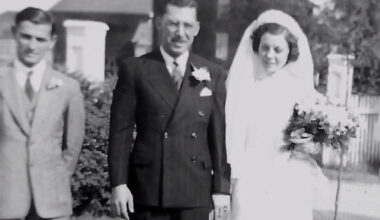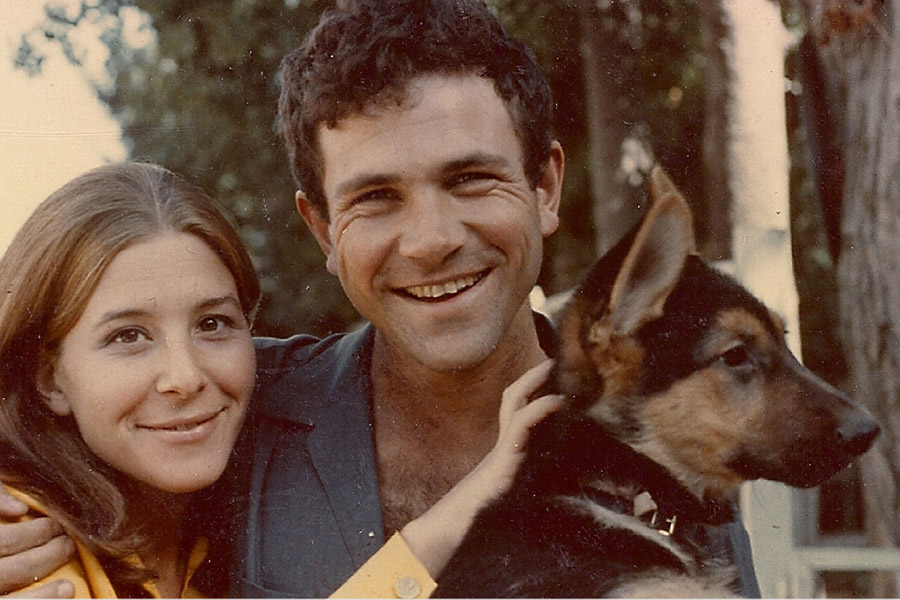
A brief portrait
I write this piece because some lives sit at the edge of public memory, like a photograph half turned away from the light. Tuti Netanyahu is one such figure. Known in public records and family narratives as the woman who married Yonatan Netanyahu on 17 August 1967, she occupies a small but persistent place in the story of a family that later became central to Israeli history. I approach her story with curiosity and restraint. There is clarity on several concrete events. There is privacy elsewhere. I respect both.
Early years and marriage
The main reason Tuti Netanyahu is in the record is because of one significant personal incident. She married Yonatan Netanyahu on August 17, 1967. Everything that came after that wedding is anchored by that day. On March 13, 1946, Yonatan was born. Later, on July 4, 1976, he was killed in combat while serving as the leader of a special forces unit. The years 1967–1976 cover the marriage’s trajectory, its dissolution by divorce in 1972, and Yonatan’s memorialization following his passing. For Tuti, those years represent the most distinct moments in an otherwise silent period.
Family members and personal relationships
I like to map families with a simple table. It keeps facts visible and avoids speculation.
| Name | Relationship to Tuti Netanyahu | Notes and dates |
|---|---|---|
| Yonatan Netanyahu | Spouse, married 17 August 1967, divorced circa 1972 | Israeli army officer, born 13 March 1946, killed 4 July 1976 |
| Benzion Netanyahu | Father in law by marriage | Historian and academic |
| Tzila Netanyahu | Mother in law by marriage | Family matriarch |
| Benjamin Netanyahu | Brother in law by marriage | Younger brother of Yonatan |
| Iddo Netanyahu | Brother in law by marriage | Physician and writer |
I present these names honestly and simply. They tell us that Tuti was briefly part of a family that, in later decades, would become a national presence. Her relationships with these people are recorded mainly in the context of Yonatan. Beyond that, the public record of her birth family, parents, or siblings is sparse or private.
Career, public presence, and financial profile
I’ll be honest. Tuti Netanyahu is not a well-known public figure. Family documents are linked to her recorded public contributions. She contributed to documentary projects about Yonatan and supplied images. She assumes the position of memory caretaker with that level of involvement. It has significance. A public career with lengthy job lists, company filings, or financial disclosures is not the same as this.
Here, dates and numbers are helpful. The decades following 1976, when information about Yonatan was gathered for film and commemoration, are when her recorded public appearances are most prevalent. The period covered by the documentary that made reference to her work is roughly from the early 2000s to the 2010s. Her name mostly occurs as a source of family photos and as a person who provided firsthand memories.
Public mentions and social visibility
I have observed a pattern. Mentions of Tuti Netanyahu appear periodically in film credits, festival materials, and in small remembrance pieces. Those mentions usually credit her as a provider of archival photos or as an interviewee for documentaries about Yonatan. Social media reposts and community blogs sometimes reuse images credited to her. However, she does not appear to maintain an active public social account under her own name that produces ongoing content.
If I imagine the public record as a constellation, most stars are bright and densely clustered around the Netanyahu surname. Tuti is a dimmer star nearby. It is visible if you look, but it does not dominate the sky.
Extended timeline
I assemble the timeline in plain numbers and dates to help readers place events.
- 13 March 1946: Yonatan Netanyahu is born.
- 17 August 1967: Marriage of Yonatan and Tuti.
- Circa 1972: Divorce of Yonatan and Tuti.
- 4 July 1976: Yonatan Netanyahu killed during a military operation.
- 2000s to 2010s: Documentary projects and film materials reference Tuti as a photo provider and contributor.
Those five points form the spine of public chronology for Tuti within the family narrative.
What her role tells us
I think about roles in families as rooms in a house. Some rooms are ornate and frequently visited. Others are quiet, with a single lamp on at night. Tuti’s public role is like a quiet room. She supplied intimate artifacts that shaped how a nation remembers a soldier. She spoke, in measured ways, into films and press kits. That is influence. It is subtle. It is the kind of participation that silently shapes a story through details.
FAQ
Who is Tuti Netanyahu?
I describe Tuti Netanyahu as the woman who married Yonatan Netanyahu on 17 August 1967. She is known in family and documentary contexts as a provider of photographs and personal recollection related to Yonatan. She lived, for a time, within the extended Netanyahu family network.
When were Tuti and Yonatan married?
Their wedding took place on 17 August 1967. The marriage ended in divorce around 1972.
Is Tuti Netanyahu publicly active today?
From the material I have seen, she does not maintain a high public profile. Mentions of her appear in documentary credits and in occasional reuse of family photographs. There is no clear record of a public career or published financial disclosures tied to her name.
What family members are most prominent around her?
The most publicly prominent relatives connected to her through marriage are Yonatan Netanyahu, Benzion Netanyahu, Tzila Netanyahu, Benjamin Netanyahu, and Iddo Netanyahu. Yonatan’s life and death are central to why those family names are widely known.
Did Tuti contribute to films or archives?
Yes. She is credited in documentary materials as a contributor of archival photographs and as an interviewee or source in projects about Yonatan. Those contributions appear mainly in film and festival contexts in the early 2000s and 2010s.
Are there public records of her birth family or career?
Public records and mainstream narratives emphasize her role in Yonatan’s life. Detailed public information about her birth family, formal employment, or financial holdings is limited in the public record that I have reviewed.